


If you are managing pain, recovering from an injury, or trying to regain mobility, physical therapy offers a science-backed, conservative path forward that many patients in Charlottesville, Virginia, find genuinely effective.
Physical therapy helps people of all ages and activity levels address movement problems, manage pain, and rebuild strength without rushing toward surgical intervention. This guide covers the core benefits of physical therapy, the conditions it addresses, what to expect from treatment, and how working with experienced physical therapists can lead to better long-term health outcomes.
If you have questions or want to discuss your specific situation, contact Charlottesville Orthopaedic Center to connect with our care team.
The Many Benefits of Physical Therapy
Physical therapy is one of the most versatile and effective treatment options available for musculoskeletal health conditions. The benefits extend well beyond simply reducing pain. For patients recovering from sports injuries, managing arthritis, or rebuilding strength after surgery, a structured therapy program can restore function and improve overall quality of life in meaningful ways.
Physical therapists are movement experts trained to assess how your body moves, identify the source of pain or dysfunction, and design individualized care strategies. A well-structured treatment plan typically combines therapeutic exercises, manual therapy, and patient education to address both immediate symptoms and the underlying causes of movement problems.
Key benefits of physical therapy include improved mobility, better balance and coordination, reduced pain, and the ability to return to physical activity you enjoy. For patients with chronic conditions like arthritis, therapy can help manage pain over the long term and maintain independence.
Managing Chronic Pain Through Physical Therapy
Chronic pain is one of the most common reasons patients seek physical therapy. Whether your pain stems from arthritis, a prior injury, or a medical condition affecting your spine or joints, physical therapy can help manage pain without relying solely on medication.
Physical therapists use manual therapy techniques, therapeutic exercises, and modalities such as electrical stimulation and cold therapy to relieve pain and promote healing. Manual therapy involves hands-on techniques that improve joint mobility and reduce tension in surrounding muscles and soft tissues. Electrical stimulation is another effective tool that may reduce pain signals and support blood flow to affected areas.
For patients with chronic conditions, therapy is typically an ongoing component of a comprehensive care plan. Your therapist will work with you to identify strategies you can continue outside of physical therapy sessions, helping you manage pain and stay active over time.
Improved Mobility and Fall Prevention
Reduced mobility and balance issues can significantly impact your independence and fall risk, particularly as you age. Physical therapists are specifically trained to assess balance, coordination, and gait, and to design programs that reduce fall risk and restore confident movement.
Fall prevention programs may include strengthening exercises that target the muscles supporting your hips, knees, and ankles, as well as balance training that challenges your body’s ability to respond to shifts in position. For patients who use assistive devices, your therapist can recommend assistive devices that are appropriate for your level of mobility and help you learn to use them safely.
Patients recovering from lower extremity injuries, surgery, or neurological health conditions often work closely with physical therapists to restore balance and reduce fall risk as part of their rehabilitation. Addressing these concerns early can help prevent future injuries and support longer-term independence.
Physical Therapy and Surgery: A Conservative-First Approach
At Charlottesville Orthopaedic Center, Dr. David Nielsen, D.O. takes a conservative treatment first philosophy, recommending surgery only when other approaches have been explored. Physical therapy is often a central part of that conservative approach, and in many cases, it can help patients avoid surgery altogether or improve outcomes when surgery is ultimately necessary.
Research suggests that for certain conditions, including some rotator cuff issues, knee pain, and ACL tears, structured physical therapy can be an effective treatment option that delays or replaces surgical intervention. For patients who do require surgery, starting physical therapy before the procedure and continuing it during recovery has been shown to support faster, more complete healing.
Physical therapy treatment following orthopedic surgery helps reduce scar tissue buildup, restore range of motion, and rebuild strength in the surrounding muscles. Your therapist will work in coordination with your surgeon to progress your exercises safely and keep your recovery on track.
Preventing Future Injuries and Future Problems
One of the most underappreciated benefits of physical therapy is its role in helping you prevent injury before problems develop or return. Physical therapists assess how you move, identify weaknesses or imbalances, and design targeted programs to address them before they lead to pain or injury.
Athletes recovering from sports injuries, for example, benefit not only from the immediate rehabilitation process but also from the movement training and strengthening exercises that reduce the likelihood of re-injury. Physical therapy helps address compensatory movement patterns that can develop after an injury, which, if left untreated, may create existing injuries or future problems elsewhere in the body.
Proper posture education is another valuable component of therapy. Poor posture contributes to a range of musculoskeletal complaints, and a skilled therapist can identify postural habits that are contributing to your symptoms and help you correct them.
Occupational Therapy and Collaborative Care
Occupational therapy complements physical therapy by focusing on your ability to perform the functional tasks of daily life. While physical therapy emphasizes restoring movement and physical function, occupational therapy addresses how those improvements translate into your ability to work, care for yourself, and engage in meaningful activities.
At Charlottesville Orthopaedic Center, our collaborative model brings together orthopedic and therapy care under one roof. Dr. Matt Connor, DPT, works in close coordination with Dr. Nielsen to ensure that your therapy plan aligns with your surgical or nonsurgical treatment goals. This integrated model supports better communication between your health care professionals and a more cohesive experience for patients from starting physical therapy through outpatient treatment and beyond.
Why Choose Charlottesville Orthopaedic Center
Choosing the right care team matters when it comes to recovering from injury, managing chronic conditions, or exploring conservative alternatives to surgery. Charlottesville Orthopaedic Center offers a boutique, patient-centered experience that is intentionally different from large hospital-based orthopedic departments. Patients receive direct access to their providers, personalized attention, and a care environment designed around their needs.
Dr. David Nielsen, D.O. is a board-certified orthopedic surgeon with over two decades of experience. He holds a Certificate of Added Qualification in Hand Surgery and completed a fellowship in Hand, Upper Extremity, and Microvascular Surgery at the University of South Florida. His conservative-first philosophy means therapy is always considered thoughtfully before surgery is recommended. Serving patients throughout Charlottesville and the surrounding communities, including the greater Central Virginia region, Charlottesville Orthopaedic Center combines surgical expertise with dedicated physical therapy services to support the full continuum of musculoskeletal care.
Ready to discuss whether physical therapy is right for your situation? Reach out to our team to schedule a consultation.
Frequently Asked Questions About Physical Therapy
How many visits will I need before I see results?
The answer to how many visits you need depends on your diagnosis, overall health, and goals. Many patients begin to notice improvement within a few weeks of consistent therapy. Your therapist will set benchmarks throughout your treatment plan and adjust the approach as your body responds.
Is physical therapy only for people recovering from surgery?
No. Physical therapy is beneficial for a wide range of situations, including managing chronic pain, addressing movement problems, improving balance, and preventing injury. Many patients begin therapy without any surgical history and find it a highly effective first step in addressing their symptoms.
What is the difference between a physical therapist and a physical therapist assistant?
Physical therapists hold a doctoral or master’s degree and are licensed to evaluate, diagnose, and design treatment plans. Physical therapist assistants work under the supervision of a physical therapist to implement those plans and support patient care during therapy sessions.
Can physical therapy help with arthritis?
Yes. Physical therapy is widely recommended as a conservative approach for managing arthritis symptoms. Your therapist can design exercises that reduce stiffness, improve joint mobility, and strengthen the muscles around affected joints to help reduce pain and support better function over time.
What should I expect at my first physical therapy appointment?
Your first session typically involves a thorough evaluation of your movement, strength, and symptoms. Your therapist will review your health history, discuss your goals, and begin developing a personalized plan. You may also begin gentle exercises or hands-on treatment during that initial visit.
Does physical therapy hurt?
Physical therapy is generally well-tolerated, though some exercises may cause mild discomfort, particularly early in recovery. Your therapist will work within a range that challenges your body without exceeding your tolerance. Open communication with your therapist about your comfort level is encouraged throughout every session.
How does occupational therapy differ from physical therapy, and do I need both?
Physical therapy focuses on restoring movement, strength, and physical function, while occupational therapy addresses your ability to perform daily tasks and activities. Some patients benefit from both, particularly those recovering from upper extremity injuries or conditions affecting fine motor skills. Your provider can help determine which combination of care is appropriate for your needs.
Understanding why to choose physical therapy, including its benefits and results, is an important step in taking control of your musculoskeletal health. Whether you are managing pain, recovering from injury, or looking to prevent future problems, physical therapy offers a well-supported, conservative path that puts your long-term well-being first. To explore your options with experienced physical therapists and an orthopedic surgeon who prioritizes conservative care, contact Charlottesville Orthopaedic Center and take the next step toward better health.
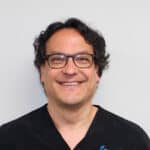
Dr. David Nielsen, D.O. is a board-certified orthopedic surgeon with over 20 years of experience in hand, upper extremity, and shoulder surgery. He trained at Kirksville College of Osteopathic Medicine and the University of South Florida. He brings over two decades of surgical experience and a deep commitment to patient-centered care as the founder of Charlottesville Orthopaedic Center.
Patient Resources
Explore our Patient Resource Center for helpful information about our expert team, comprehensive services, informative blog, and how to easily connect with us.

Complimentary Movement Screenings
Charlottesville Orthopaedic Center offers complimentary movement screenings to assess your movement, identify imbalances, and help prevent injuries. Whether you’re active, recovering, or want to move better, our expert physical therapists provide personalized recommendations for your long-term mobility and wellness.
View DetailsWhat Our Patients Say




“I went to Dr. Nielsen for a second opinion on a dislocated hand. My first surgeon recommended surgery without much consideration. A friend suggested Dr. Nielsen, who spent time reviewing my case and concluded that I only needed rehabilitation. He was right! He's an excellent doctor.”
I was impressed with the quality of service and the caring people throughout the visit, from the receptionist to the doctor seen. They truly care and are honest and professional.
The best ortho in the state. Got my son in right away and is a very caring crew. Professional and clean atmosphere. Would recommend to anyone.
We can’t recommend Dr. Nielsen and his team enough. They represent the best in medical care and kindness to others. They are truly excellent in providing healthcare services. With him, you will find a health partner, a supportive friend on your health journey, and continuous support in your pursuit of well-being.
Highly recommend Charlottesville Orthopedic Center for PT. They are the best! Very knowledgeable, detailed, patient, caring and they listen. I had shoulder and knee issues. Matt was my physical therapist and I would definitely go back if I ever need more therapy. Thank you so much for all your help.
Very responsive, same day service. Staff is knowledgeable, friendly, and thorough when communicating complex medical information.
Great place. The best group of people you could ask for. Knowledgeable and polite. #1
I was able to get a same day appointment after every other place I called turned me away. In the end, I was glad I got turned away elsewhere because I can’t imagine any other practice being more caring and understanding.

