

When your hands are in pain, it can affect nearly every aspect of your life, from getting dressed in the morning to using your phone or typing at work. At Charlottesville Orthopaedic Center, we understand how vital healthy hands and fingers are to your daily activities. Our orthopedic surgeon, Dr. Nielsen, specializes in diagnosing and treating a full range of hand conditions, with the goal of helping you regain function, reduce pain, and get back to doing the things you love.
Diagnosing Hand Problems
Hand conditions can stem from trauma, overuse, degenerative changes, or underlying health issues. At Charlottesville Orthopaedic Center, we begin with a thorough evaluation that may include a physical exam, X-rays, or advanced imaging. Our goal is to pinpoint the source of your discomfort and create a personalized treatment plan that fits your lifestyle and needs.
Depending on the diagnosis, we may recommend conservative treatments such as physical therapy, bracing, or medications. If surgery is necessary, you can trust our highly trained surgeon to perform the most advanced procedures with precision and care.
Comprehensive Hand Injury Care in Charlottesville
We are committed to helping patients regain strength, flexibility, and comfort in their hands and fingers. Whether you’re recovering from an injury or dealing with a chronic condition, we offer the full spectrum of care, from nonsurgical options to complex reconstructive procedures. Finding the right approach can make a big difference in your ability to return to your daily routine.
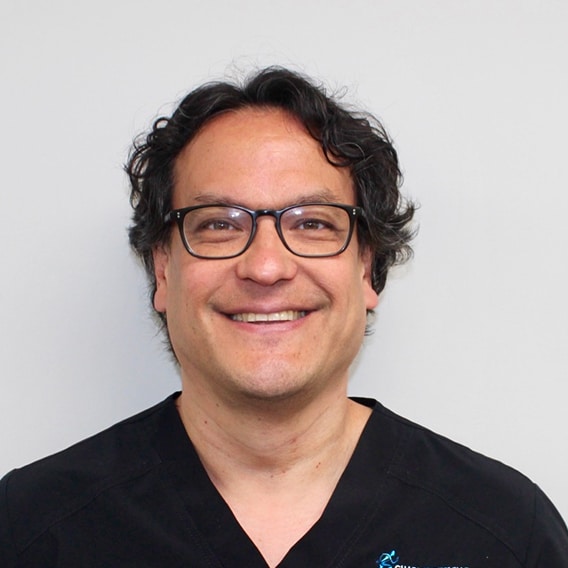
Hand care at Charlottesville Orthopaedic Center is led by Dr. David Nielsen, a fellowship-trained hand surgeon who holds a Certificate of Added Qualification in Hand Surgery.
Hand and Wrist Pain
Hand and wrist pain can interfere with gripping, lifting, and other tasks. Even when discomfort develops without an apparent reason, an evaluation can help identify what is causing pain and guide appropriate care. If you experience severe pain after an accident, seek prompt attention to rule out a more serious injury.
Common Causes of Hand Pain
Injuries, nerve compression, tendon irritation, and arthritis are common causes of discomfort. Repetitive movements may aggravate certain conditions, while persistent wrist problems can affect strength and mobility. Below are some of the conditions we evaluate and treat.
Carpal Tunnel Syndrome
Carpal tunnel syndrome occurs when the median nerve is compressed as it passes through a narrow space in the wrist. Common symptoms include numbness, tingling, or burning in the thumb, index, and middle fingers, along with weakness and discomfort that often worsens at night. We offer wrist splinting, activity modification, and injections to relieve pressure, with carpal tunnel release surgery when conservative care isn’t enough.
Trigger Finger
With trigger finger, a finger catches or locks as you bend or straighten it because the flexor tendon cannot glide smoothly through its supporting pulley. Patients may also notice tenderness at the base of the affected finger, particularly when symptoms occur during gripping. Depending on the severity, treatment may include splinting, injections, or surgical release.
Ganglion Cysts
Ganglion cysts are noncancerous, fluid-filled lumps that can develop near joints or tendons in the hand and wrist. Some cause no discomfort, while others become painful or interfere with movement. Depending on your symptoms, observation, aspiration, or surgical removal may be considered.
DeQuervain’s Tenosynovitis
DeQuervain’s tenosynovitis affects the tendons along the thumb side of the wrist and can cause wrist pain when lifting, gripping, or moving the thumb. Treatment may include a supportive splint, activity changes, or an injection, with surgery considered when symptoms persist.
Hand Fractures
Broken bones in the hand can occur from falls, sports injuries, or trauma. Symptoms include swelling, bruising, and difficulty moving the fingers or wrist. Early treatment helps support proper healing and may involve immobilization, realignment, or surgery.
Joint Sprains
A sprain happens when the ligaments that support your hand or fingers are stretched or torn. You might notice tenderness, swelling, and limited range of motion. Bracing and targeted rehabilitation can support recovery, while protective measures may help reduce swelling.
Hand Arthritis
Arthritis can affect the small joints of the hand, leading to stiffness, tenderness, and changes in joint shape. Treatment focuses on managing inflammation and preserving mobility through medication, supportive devices, and rehabilitation. Your healthcare provider may discuss nonsteroidal anti inflammatory drugs or other medicines based on your symptoms and health history.
Joint Replacement
For advanced arthritis that has not responded to other treatments, surgical joint replacement may be an option. The procedure replaces damaged joint surfaces with an implant to help relieve pain and preserve movement. Your surgeon will explain the expected benefits, limitations, and recovery requirements.
Tendon Injuries
Tendons connect muscles to bones, allowing you to move your fingers and hands. A tendon injury can result in weakness or loss of motion. We offer surgical and nonsurgical approaches based on the location and extent of the damage.
Nerve Injuries
Nerve damage in the hand may cause numbness, tingling, or muscle weakness. These injuries may result from lacerations, compression, or trauma. We assess the severity and discuss options such as splinting or nerve repair surgery.
Lacerations
Cuts or deep wounds to the hand can damage skin, muscles, tendons, and nerves. Prompt medical attention is important to reduce the risk of infection and preserve mobility. Treatment depends on the depth of the wound and the structures involved.
Medical Conditions
Certain medical conditions, including diabetes and thyroid disease, can be associated with nerve compression in the hand. Your evaluation includes a review of other medical conditions that may influence your symptoms or treatment.
Circulation disorders can also affect the hands. Raynaud’s disease involves episodes of reduced blood flow, often triggered by cold temperatures or stress, and may affect the fingers and toes; a related secondary form can occur with an autoimmune disease affecting other parts of the body. Color changes, numbness, or persistent discomfort should be evaluated.
Physical Therapy
Physical therapy may be recommended to improve function, flexibility, and strength after an injury or procedure. Depending on your diagnosis, heat or anti inflammatory medications may provide temporary relief, while guided exercises address longer-term recovery needs. Schedule a consultation with a doctor at Charlottesville Orthopaedic Center to discuss an individualized care plan.
Request an Appointment Today
If you’re experiencing hand pain, limited movement, or a recent injury, don’t wait to seek care. Contact Charlottesville Orthopaedic Center in Charlottesville, VA, today to schedule a consultation. Let’s work together to restore your hand function and get you back to living life fully.
Our Providers
The providers at Charlottesville Orthopaedic Center are highly skilled and experienced in their respective specialties.

Patient Resources
Explore our Patient Resource Center for helpful information about our expert team, comprehensive services, informative blog, and how to easily connect with us.

Complimentary Movement Screenings
Charlottesville Orthopaedic Center offers complimentary movement screenings to assess your movement, identify imbalances, and help prevent injuries. Whether you’re active, recovering, or want to move better, our expert physical therapists provide personalized recommendations for your long-term mobility and wellness.
View DetailsWhat Our Patients Say




I had a great experience concerning this appointment. I was given an appointment either the day I phoned in or following. This is most unusual and most beneficial to the patient. My concerns were acknowledged by the practitioner and exam was pain free with managed results. A practitioner explained and I was given all information needed. My visit was overall pain free with treatment. Thank-you Charlottesville Orthopedics!
The entire staff was very pleasant and knowledgeable. Dr. Nielsen was very thorough in his findings and explained everything. At the end of the appointment, Dr. Nielsen wanted to make sure that I had no questions. Very happy that I chose Charlottesville Orthopedic Center.
This place is amazing! The entire staff was super friendly from the moment I walked in the door. Thank you!

