


Many patients come to us unsure of what to expect, whether they need a referral, or how physical therapy fits into their overall care plan. This page addresses the most frequently asked questions about physical therapy services, what a first visit looks like, how our therapists work alongside our orthopedic team, and what you can realistically expect from treatment. If you would like to discuss your specific situation, contact Charlottesville Orthopaedic Center to schedule an appointment with our team.
What Is Physical Therapy?
Physical therapy is a healthcare specialty focused on restoring movement, reducing pain, and improving function in patients with musculoskeletal injuries, post-surgical conditions, and physical impairments. Licensed physical therapists use therapeutic exercises, manual therapy techniques, and patient education to help you recover and return to daily living. At Charlottesville Orthopaedic Center, our physical therapists work directly alongside Dr. David Nielsen, D.O., creating a coordinated care model that supports both conservative treatment and surgical recovery.
What Conditions Do Physical Therapists Treat?
Physical therapists treat a broad range of conditions affecting the muscles, joints, nerves, and soft tissue. Common diagnoses include shoulder pain, rotator cuff injuries, back and neck pain, post-surgical rehabilitation, balance disorders, sports injuries, and repetitive strain conditions. Our therapists also address physical impairments related to the hand, wrist, elbow, and upper extremity, which aligns closely with Dr. Nielsen’s areas of surgical specialization. Your therapist will assess your diagnosis and develop a personalized treatment plan based on your specific goals and medical history.
Common Questions About Your First Visit
What Happens During My First Appointment?
Your first appointment begins with an initial evaluation in which your therapist reviews your medical history, discusses your symptoms, and assesses your strength, mobility, and function. This evaluation helps your therapist understand the root cause of your condition. Based on that assessment, they will design a personalized treatment plan outlining your goals, the types of therapy recommended, and an estimated treatment duration. The first session is primarily an evaluation, though many patients also begin gentle therapeutic exercises or manual therapy techniques that same visit.
How Long Is a Physical Therapy Session?
A typical physical therapy session lasts between 45 and 60 minutes, though duration may vary depending on the complexity of your condition and where you are in your recovery. Early treatment sessions often involve more hands-on assessment and education, while later sessions focus more heavily on progressive therapeutic exercises and functional training. Your therapist will give you a clearer sense of session length during your first visit.
How Many Sessions Will I Need?
The number of treatment sessions varies depending on your diagnosis, your overall health, and how your body responds to therapy. Many patients see meaningful progress within four weeks of consistent treatment. Your therapist will reassess your progress regularly and adjust your treatment plan accordingly. Some conditions resolve in a handful of visits, while others benefit from a longer course of care. A realistic timeline will be discussed during your initial evaluation.
Is Physical Therapy Painful?
Physical therapy is generally well-tolerated, though some discomfort is normal, particularly in the early stages of recovery or when working through a recent injury. Most patients report manageable discomfort during therapeutic exercises that push them slightly beyond their comfort zone. Your therapist will communicate openly with you throughout each session and adjust the approach based on your feedback. The goal is to progress your recovery safely, not to cause unnecessary pain.
What Is a Home Exercise Program?
A home exercise program is a set of prescribed exercises your therapist designs for you to complete between treatment sessions. Consistent participation in your home exercise program is one of the most important factors in your recovery. These exercises reinforce the work done in the clinic, help prevent re-injury, and support long-term function. Your therapist will teach each exercise carefully and ensure you can perform them correctly and safely before you leave the clinic.
What Is Direct Access to Physical Therapy?
Direct access means you can schedule a physical therapy evaluation without a physician’s referral in many cases. Virginia allows direct access, meaning patients can begin therapy sooner without waiting for a separate appointment first. However, some insurance plans still require a physician’s referral before covering physical therapy services. We recommend contacting your insurance company in advance to confirm your specific benefits. Our team is happy to help guide you through this process.
Does Insurance Cover Physical Therapy?
Most major insurance plans, including workers compensation coverage, provide benefits for physical therapy when deemed medically necessary. Coverage details vary depending on your plan, including the number of covered visits, co-pay amounts, and whether prior authorization is required. Our clinic will work with you to verify your insurance benefits before your first appointment. Patients with workers compensation claims should notify our team when scheduling so we can coordinate care appropriately.
What Is the Difference Between Physical Therapy and Occupational Therapy?
Physical therapy focuses primarily on restoring movement, strength, and function related to injury or physical impairments. Occupational therapy focuses on helping patients perform the specific tasks of daily living, such as dressing, writing, or returning to work activities. While physical therapy and occupational therapy share some overlap, they serve distinct roles in rehabilitation. Your provider can help determine which approach, or combination of approaches, best fits your recovery goals during your consultation.
What Are Passive Modalities in Physical Therapy?
Passive modalities are treatments applied to the patient without active participation. Common examples include electrical stimulation, ultrasound, heat, and ice therapy. Electrical stimulation, for example, may help relieve pain, reduce swelling, and support muscle re-education after injury or surgery. Passive modalities are typically used alongside active therapeutic exercises rather than as a standalone treatment. Your therapist will incorporate modalities into your care plan when they are clinically appropriate for your condition.
What Is Dry Needling?
Dry needling is a technique used by trained physical therapists to treat muscle tension and soft tissue dysfunction by inserting thin filiform needles into trigger points within the muscle. It is distinct from acupuncture and is grounded in musculoskeletal and neurological principles. Dry needling may help reduce muscle pain, improve mobility, and support recovery when integrated into a broader treatment plan. Not all patients are candidates for this technique, and your therapist will discuss whether it is appropriate based on your diagnosis and goals.
Why Choose Charlottesville Orthopaedic Center for Physical Therapy Services?
Charlottesville Orthopaedic Center offers a uniquely integrated model where physical therapists work directly with Dr. David Nielsen, D.O., a board-certified orthopedic surgeon with a Certificate of Added Qualification in Hand Surgery and over two decades of experience. This physician-therapist collaboration means your physical therapy plan is informed by the same clinical expertise guiding your orthopedic care. Patients receive personalized attention in a boutique practice environment, with easy access to their care team and responsive communication throughout recovery. Whether you are pursuing conservative treatment or recovering from surgery, our team is focused on your progress. Contact us to schedule your first appointment.
When Should You Schedule a Consultation?
If you are experiencing pain, limited mobility, or recovering from an injury or surgery, a physical therapy evaluation can help clarify your next steps. Dr. Matt Connor, DPT, brings specialized training in orthopedic physical therapy and works closely with Dr. David Nielsen, D.O., to provide coordinated, conservative-first care for patients throughout Charlottesville, Virginia and the surrounding area. You do not need to wait until symptoms become severe. Early access to physical therapy often leads to faster recovery and better long-term outcomes. Reach out to Charlottesville Orthopaedic Center today to schedule your evaluation and take the first step toward feeling better.
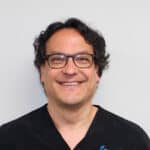
Dr. David Nielsen, D.O. is a board-certified orthopedic surgeon with over 20 years of experience in hand, upper extremity, and shoulder surgery. He trained at Kirksville College of Osteopathic Medicine and the University of South Florida. He brings over two decades of surgical experience and a deep commitment to patient-centered care as the founder of Charlottesville Orthopaedic Center.
Patient Resources
Explore our Patient Resource Center for helpful information about our expert team, comprehensive services, informative blog, and how to easily connect with us.

Complimentary Movement Screenings
Charlottesville Orthopaedic Center offers complimentary movement screenings to assess your movement, identify imbalances, and help prevent injuries. Whether you’re active, recovering, or want to move better, our expert physical therapists provide personalized recommendations for your long-term mobility and wellness.
View DetailsWhat Our Patients Say




“I went to Dr. Nielsen for a second opinion on a dislocated hand. My first surgeon recommended surgery without much consideration. A friend suggested Dr. Nielsen, who spent time reviewing my case and concluded that I only needed rehabilitation. He was right! He's an excellent doctor.”
I was impressed with the quality of service and the caring people throughout the visit, from the receptionist to the doctor seen. They truly care and are honest and professional.
The best ortho in the state. Got my son in right away and is a very caring crew. Professional and clean atmosphere. Would recommend to anyone.
We can’t recommend Dr. Nielsen and his team enough. They represent the best in medical care and kindness to others. They are truly excellent in providing healthcare services. With him, you will find a health partner, a supportive friend on your health journey, and continuous support in your pursuit of well-being.
Highly recommend Charlottesville Orthopedic Center for PT. They are the best! Very knowledgeable, detailed, patient, caring and they listen. I had shoulder and knee issues. Matt was my physical therapist and I would definitely go back if I ever need more therapy. Thank you so much for all your help.
Very responsive, same day service. Staff is knowledgeable, friendly, and thorough when communicating complex medical information.
Great place. The best group of people you could ask for. Knowledgeable and polite. #1
I was able to get a same day appointment after every other place I called turned me away. In the end, I was glad I got turned away elsewhere because I can’t imagine any other practice being more caring and understanding.

